| Celebrating American Heart Month
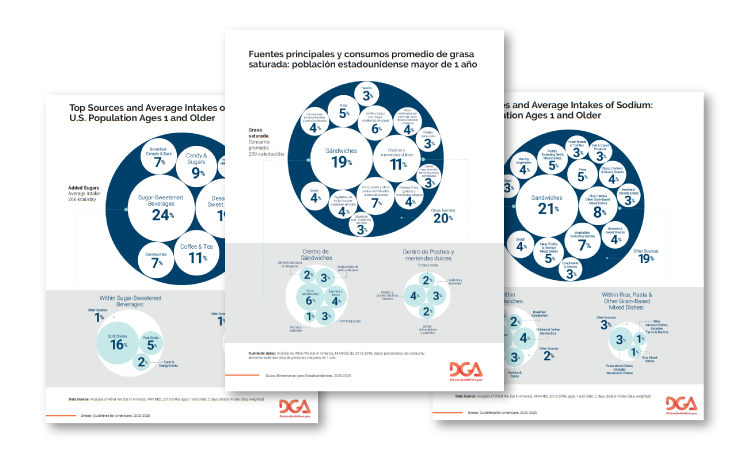
with Healthy Eating Resources Use these resources to help promote healthy dietary patterns in support of heart health February is American Heart Month, a time to focus on motivating Americans to adopt healthy lifestyles to help prevent heart disease. A healthy dietary pattern is a key component of a heart healthy lifestyle. To help get you started, we've provided three easy ways that you can use resources based on the Dietary Guidelines for Americans, 2020-2025 to promote heart health with your clients, patients, organizations, and communities. 1. Use graphics to communicate the role of healthy dietary patterns in heart health across the lifespan and how everyone can benefit. | | 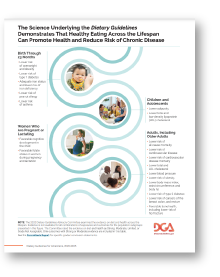 English | Spanish Use this figure to show how healthy eating across the lifespan can help prevent chronic diseases like heart disease. It's never too early or too late to eat healthfully! | 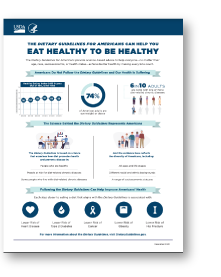 English Use this infographic to demonstrate how the Dietary Guidelines can help everyone achieve better health, including people who are healthy and those at risk for and living with chronic diseases like heart disease. | | 2. Share resources to help people build a heart healthy dietary pattern that works for them. A healthy dietary pattern includes a variety of choices from each food group, while limiting added sugars, saturated fat, sodium, and alcohol. Share these resources to help your audiences: | | 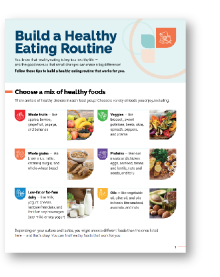 English | Spanish Build a healthy eating routine that includes a variety of fruits, vegetables, whole grains, low-fat dairy, and protein foods and meets personal and cultural preferences. | 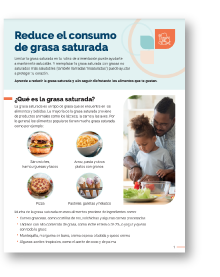 English | Spanish Replace saturated fat with healthier unsaturated fats to protect heart health. Seafood, nuts and seeds, avocados, and oils all have unsaturated fats. | | 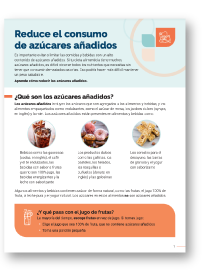 English | Spanish Cut down on added sugars, which make it hard to get the right nutrients without also getting too many calories. Staying at a healthy weight helps protect heart health. | 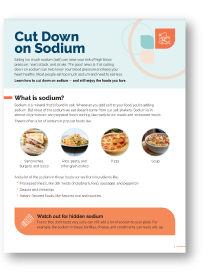 English | Spanish Cut down on sodium, which can raise the risk of high blood pressure that increases risk of stroke and heart attack. Even foods that don't taste very salty can have a lot of sodium. | | | 3. Understand the key sources of added sugars, saturated fat, and sodium to inform communications. Learn about the top sources and average intakes of added sugars, saturated fat, and sodium for the U.S. populations ages 1 and older with these figures. Share what you learn to help promote healthy dietary patterns in your community! Available in English and Spanish! | | | |









No comments:
Post a Comment