As you and other public health advocates work on the front lines of the COVID-19 pandemic, we want you to know that we recognize your concerns about protecting the safety of yourselves, your families, and others you care for. The FDA's work is critical to ensuring the health and safety of the American public at any time, but is magnified during public health emergencies.
As we address the challenges of the COVID-19 pandemic, protecting the public's health, using science to guide our decisions, and facilitating access to critical medical products continue to be top priorities for the FDA.
We recognize the notable achievements of African American federal employees and honor their exceptional work in public service, sciences & public health, today & every day. We are proud of the impactful work of leaders & employees at FDA.
Meet Paul Jones, PhD, a Social Science Analyst & Psychologist with CDER. His contributions to the FDA help ensure that science continues to be at the forefront when patient information-related policies are being developed. Learn more about Paul here.
Meet CAPT Brianna Skinner, DVM, MPH, a Senior Regulatory Veterinarian in the Office of the Chief Scientist. CAPT Skinner has used her expertise to represent FDA on a variety of animal welfare and public health issues. Learn more about CAPT Skinner here.
Emergency Use Authorization for Vaccines to Prevent COVID-19: Guidance for Industry FDA is issuing this guidance to provide sponsors of requests for Emergency Use Authorization (EUA) for COVID-19 vaccines with recommendations regarding the data and information needed to support the issuance of an EUA under section 564 of the FD&C Act (21 U.S.C. 360bbb-3) for an investigational vaccine to prevent COVID-19 for the duration of the COVID-19 public health emergency.
Policy for Evaluating Impact of Viral Mutations on COVID-19 Tests: Guidance for Test Developers and Food and Drug Administration Staff FDA is issuing this guidance to provide a policy and recommendations on evaluating the potential impact of emerging and future viral mutations of SARS-CoV-2 on COVID-19 tests for the duration of the COVID-19 public health emergency. This guidance describes a policy for test developers to consider the impact of emerging and future variants on their COVID-19 tests during development and post-authorization. Throughout this guidance, references to COVID-19 tests are referring to molecular and antigen tests that detect the SARS-CoV-2 virus and serology tests that detect antibodies to the SARS-CoV-2 virus.
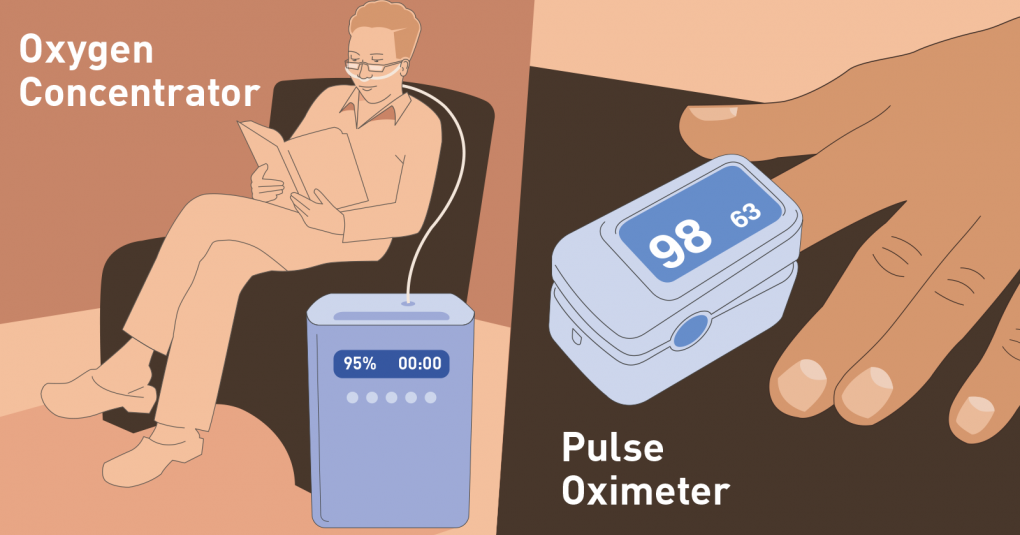
Giving yourself too much or too little oxygen can be dangerous. Talk with your doctor about safely using pulse oximeters and oxygen concentrators at home.
To survive, we need oxygen going from our lungs to the cells in our body. Sometimes the amount of oxygen in our blood can fall below normal levels. Asthma, lung cancer, chronic obstructive pulmonary disease (COPD), the flu, and COVID-19 are some of the health issues that may cause oxygen levels to drop. When the levels are too low, we may need to take extra oxygen, known as oxygen therapy.
One way to get extra oxygen into the body is by using an oxygen concentrator. Oxygen concentrators are medical devices required to be sold and used only with a prescription.
You should not use an oxygen concentrator at home unless it has been prescribed by a health care provider. Giving yourself oxygen without talking to a doctor first may do more harm than good. You may end up taking too much or too little oxygen. Deciding to use an oxygen concentrator without a prescription can lead to serious health problems, such as oxygen toxicity caused by receiving too much oxygen. It can also lead to a delay in receiving treatment for serious conditions like COVID-19. [2/19/2021]
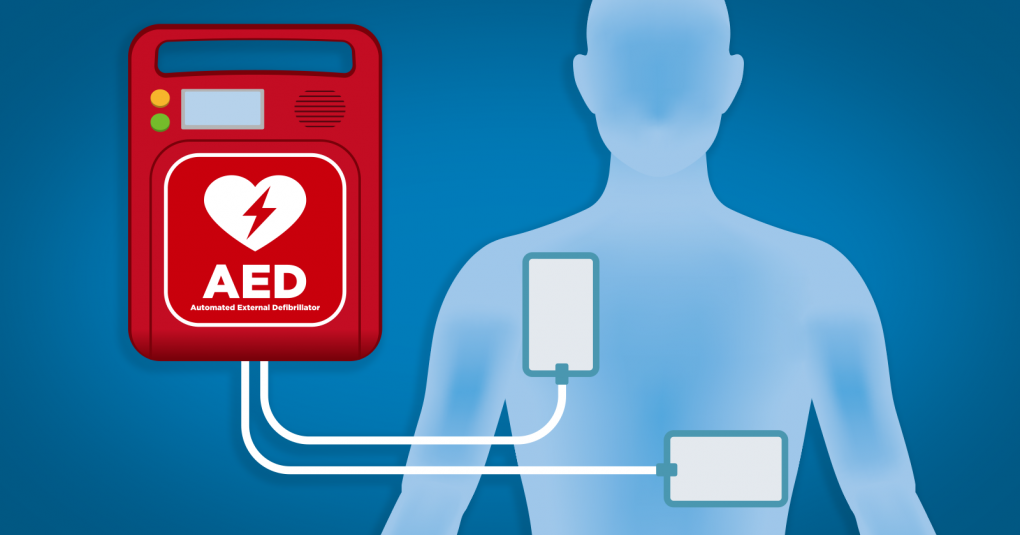
Sudden cardiac arrest occurs when the heart suddenly and unexpectedly stops pumping blood. It can happen to anyone, at any time, and signs include sudden collapse and immediate loss of consciousness.
Unlike heart attacks, which are caused by a blockage in an artery to the heart, sudden cardiac arrest is caused when the heart's electrical system malfunctions. This produces abnormal heart rhythms, called arrhythmias, that make the heart unable to pump blood.
If cardiac arrest does occur, rapid treatment with a medical device called an automated external defibrillator (AED) can be life-saving. [2/09/2021]
ICYMI!
Recommendations About the Use of Dental Amalgam in Certain Higher-Risk Groups
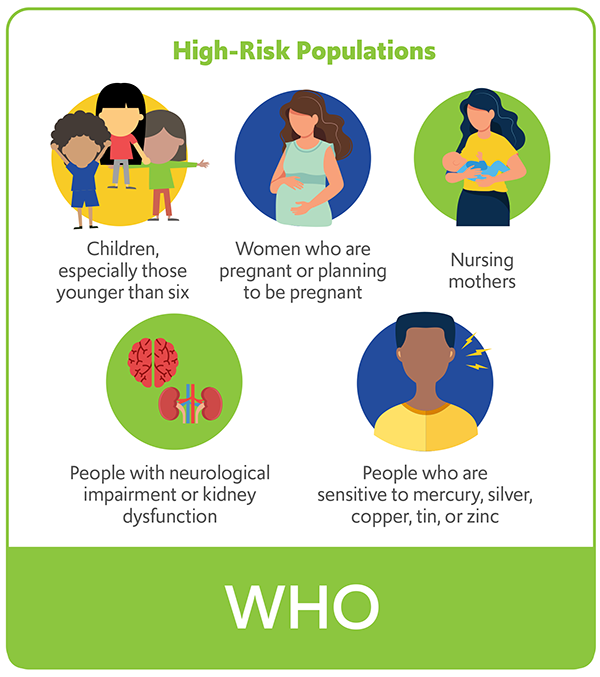
The FDA has developed graphics that provide a visualization of recommendations about the use of dental amalgam (a mercury-containing dental restorative or filling material) in certain groups of people who may be at greater risk for potential harmful health effects of mercury exposure.
These higher-risk groups are:
Pregnant women and their developing fetuses
Women who are planning to become pregnant
Nursing women and their newborns and infants
Children, especially those younger than six
People with preexisting neurological disease
People with impaired kidney function
People with known heightened sensitivity (allergy) to mercury or other components of dental amalgam.
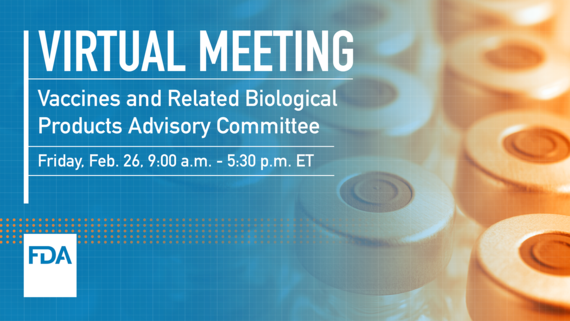
The FDA has scheduled a meeting of its Vaccines and Related Biological Products Advisory Committee (VRBPAC) on Feb. 26 to discuss the request for emergency use authorization (EUA) for a COVID-19 vaccine from Janssen Biotech, Inc. Event materials including the FDA briefing document are now available.
February 26, 2021; 9:00 AM - 5:30 PM ET
The online web conference meeting will be available at the following:
Although the VRBPAC members provide advice to the agency, which may include advice on the safety and effectiveness data submitted in the EUA request, final decisions on whether to authorize the vaccine for emergency use are made by the FDA.
Drug Master File (DMF) and Drug Substance Workshop This conference is designed to provide an update on current Agency initiatives and will cover a wide variety of topics of interest to API manufacturers and regulators. Specifically, the Agency wishes to provide guidance on the DMF submission process and expectations for content through a series of presentations, panel discussions, and Q&A for two poster sessions.
Public Meeting: FDA Rare Disease Day 2021 The purpose of this meeting is to highlight strategies to support rare disease product development. Patients, patient advocates, researchers, and medical product developers may benefit from attending this public meeting on rare disease product development.
Public Meeting on Patient-Focused Drug Development for Vitiligo FDA is hosting a virtual public meeting on Patient-Focused Drug Development for Vitiligo. FDA is interested in hearing patients' perspectives on the impact of vitiligo on daily life and patient views on treatment approaches.
Precisely Practicing Medicine for COVID, from a Half Million Tested Patients and a Trillion Points of Data Dr. Butte, a computer scientist and pediatrician, will highlight his center's recent work on integrating electronic health records data across the entire University of California, and how analytics on this "real world data" can lead to new evidence for drug efficacy, new savings from better medication choices, and new methods to teach intelligence – real and artificial – to more precisely practice medicine, especially during this era of COVID-19.
March 10, 2021; 3:00 PM - 4:00 PM ET
Registration is not required.
About Us
The FDA Stakeholder Engagement Staff reside within the Office of the Commissioner and support the FDA mission by engaging with Patient and Health Professional Organizations, Consumer Groups, Trade Associations, Think Tanks and other external stakeholders. We encourage and support active engagement from external stakeholders related to policy that impacts human and animal medical products, cosmetics, tobacco, nutrition and food safety that promote health and healthy living.
This email was sent to ooseims.archieves@blogger.com using GovDelivery Communications Cloud on behalf of: U.S. Food and Drug Administration · 10903 New Hampshire Ave · Silver Spring, MD · 20993-0002 · 1-888-INFO-FDA






No comments:
Post a Comment