Well, le gastro got me again. Because le gastro is so common here in the winter, and French is so complicated to speak even for native French speakers, the name gets shortened from gastro-entérite, or gastroenteritis. Being densely populated, Paris is a petri dish for it, although some guests were in the French Alps last week, and four out of six of them got felled by it. So escaping to the mountains doesn’t ensure that it won’t find you there.
I had it about a month ago, and just got it again, which doesn’t seem fair, although as I recently heard a doctor say, viruses don’t care about your feelings. Le gastro is very contagious and the best defense is washing your hands. (Hand sanitizers aren’t that effective against the virus.) Unfortunately, in a country where greeting someone involves shaking hands, and daily life entails holding onto poles in crowded métros, eating in restaurants and shopping at markets where multiple people have handled your food, and towels for drying your hands after washing them in some restaurants and cafés are shared with perhaps a hundred or more people*, you don’t need to look very far to see how (or where) you could have gotten it.
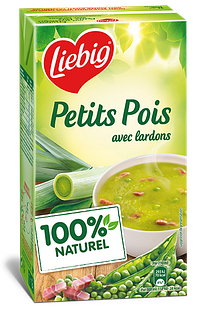
One thing about getting sick in France is that you have to plan for it. There’s no pre-prepared chicken soup, and supermarket soups are invariably veloutés or purees of vegetables.
I don’t know about you, but when I have an upset stomach, the last thing I want is a bowl of green soup, especially if you’re old enough to remember Linda Blair in The Exorcist. When things are coming out of you fast and furiously, you want a bouillon-based easy in, easy out situation. And certainly not anything green.
Newcomers to France, from America, are surprised to find that store-bought bouillon or stock isn’t readily available in liquid form, as it is in the States, where whole aisles of the supermarkets are devoted to a range of stocks sold in quart cartons. In France cubes of stock are commonly used, from brands like Knorr, and Maggi. Ultra-processed hasn’t become a keyword in France yet, but I’ve yet to make the transition to them. I’m not sure what people in France do when they get sick, but if you can drag yourself to the grocery store, or can manage a trip to both the butcher and the produce store, you can make a poule au pot.** This “chicken in a pot” requires little hands-on work, and is easy on the system, one that I’m doing my best not to upset any further. There are fancy ways to make a poule au pot, such as one with a sauce suprême made with crème fraîche, egg yolks and butter, or this one, with 14 ingredients. Or this one with chicken stuffed with a farce (stuffing), which you’re welcome to tackle if you’ve got the fortitude for it. There may be a definitive version of poule au pot, but I’m too zonked to track it down, nor am I up for a battle with the authenticity police. And I’m definitely not up for*** stuffing a chicken, or making or eating cream sauce.
The good thing about making this dish is that you don’t need store-bought stock as cooking a whole chicken gives you a lovely, rich broth. And while not part of the French culinary canon, since Manischewitz has not made it to France, there’s no matzoh meal at the supermarché. Yes, you can buy pain azyme and grind it yourself, but that also takes strength, so it’s a no-go. My neighbor who owns a deli in Brooklyn is out of town. Otherwise I’d ask him to bring some matzoh balls over. I’d be pretty surprised if he didn’t have some matzoh meal squirreled away.
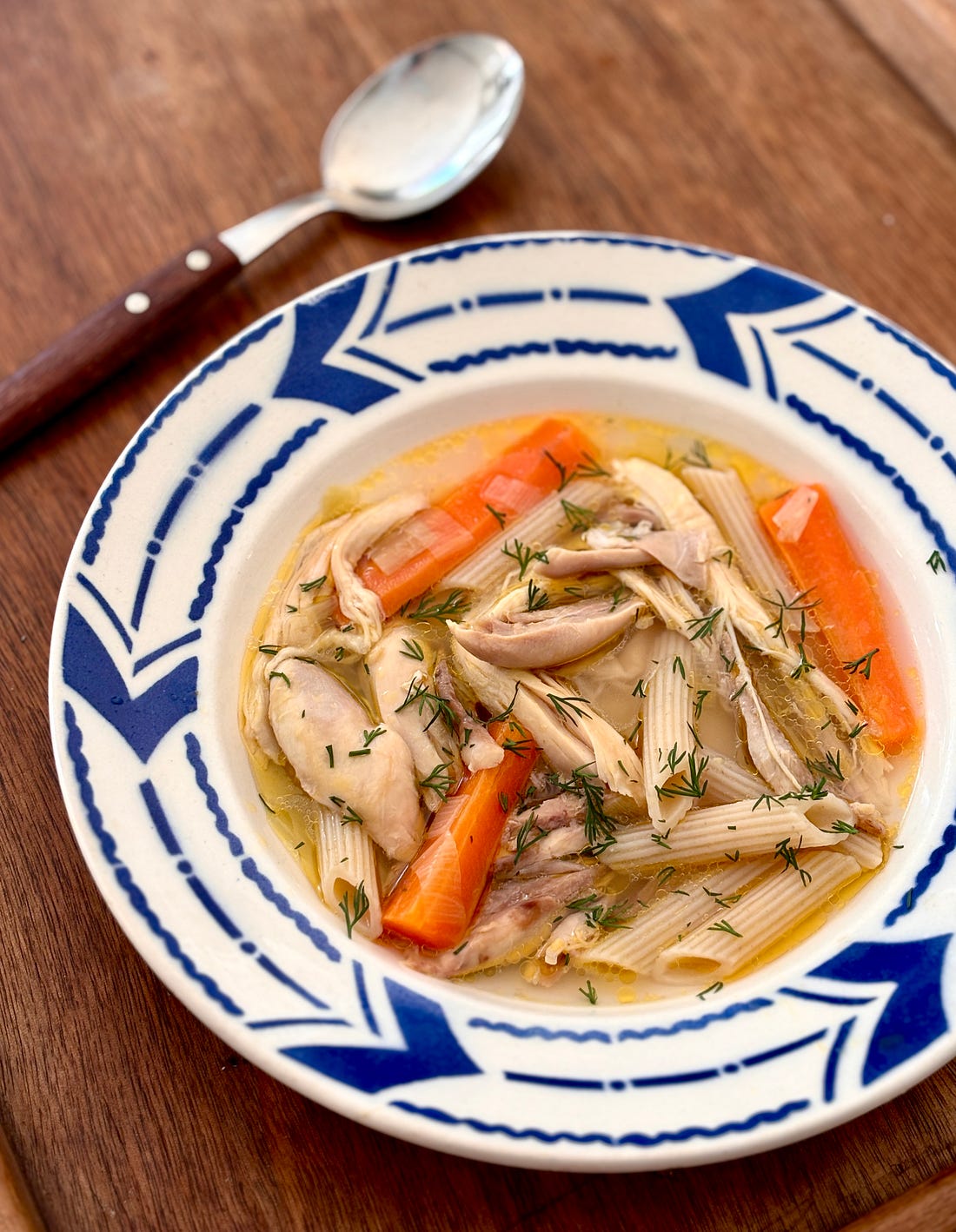
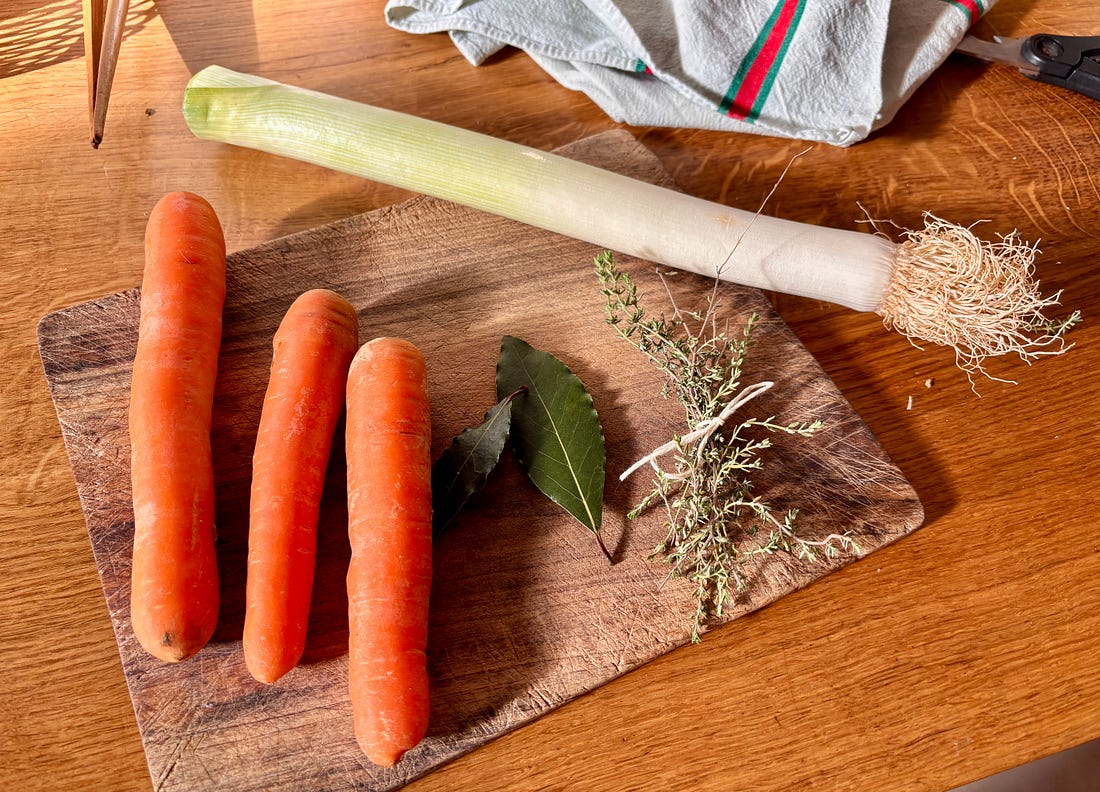
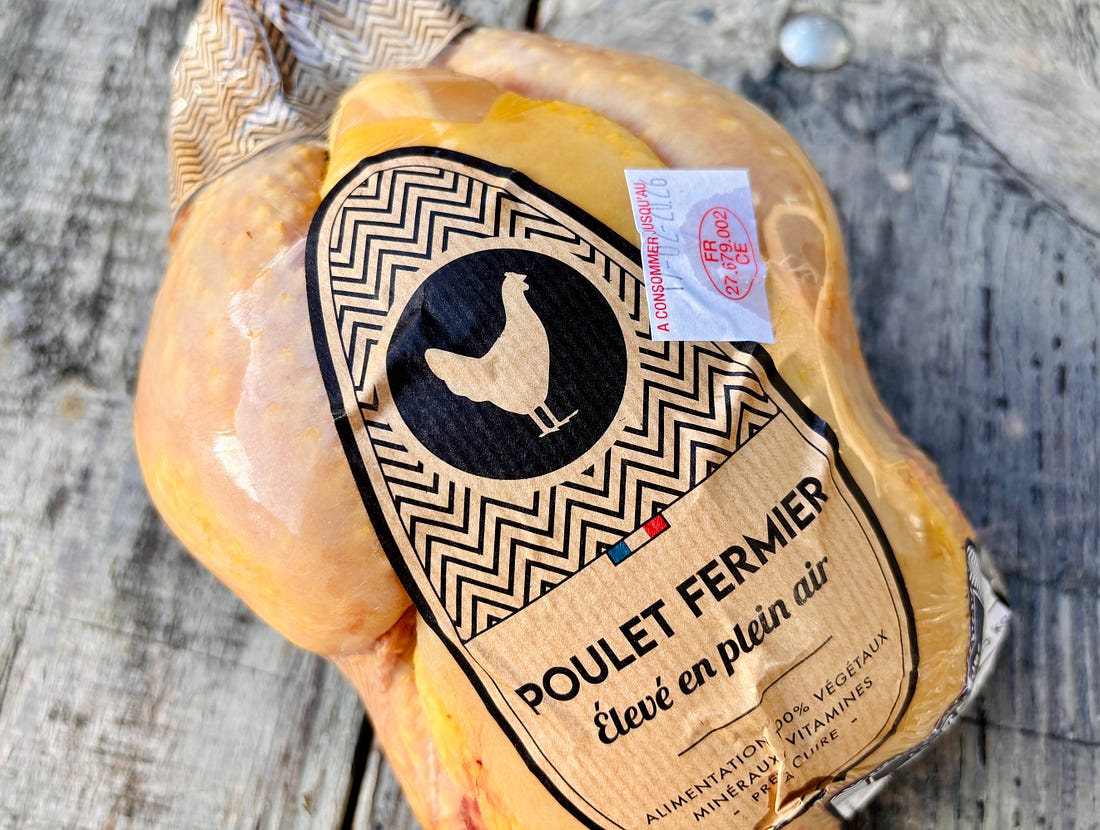
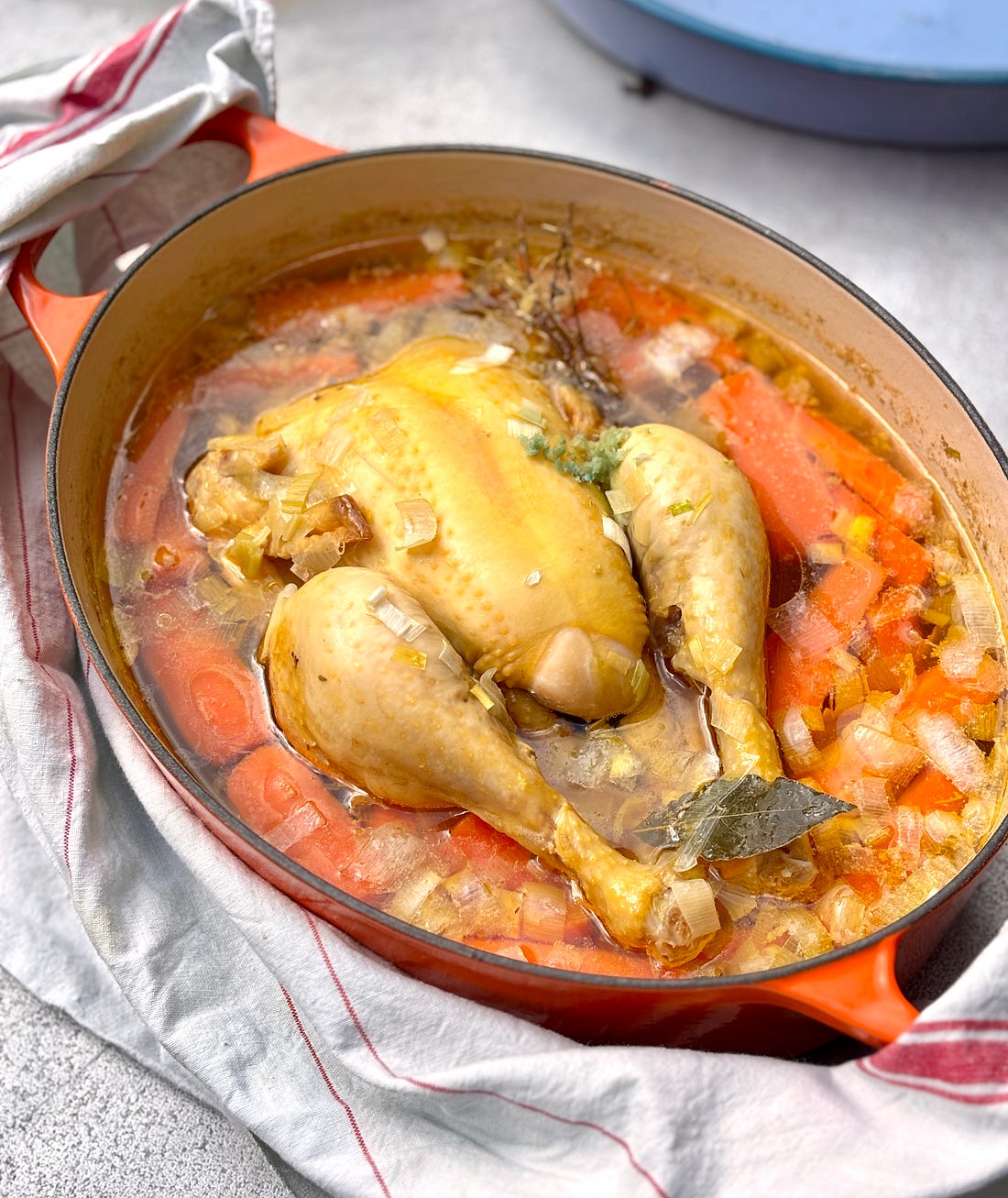
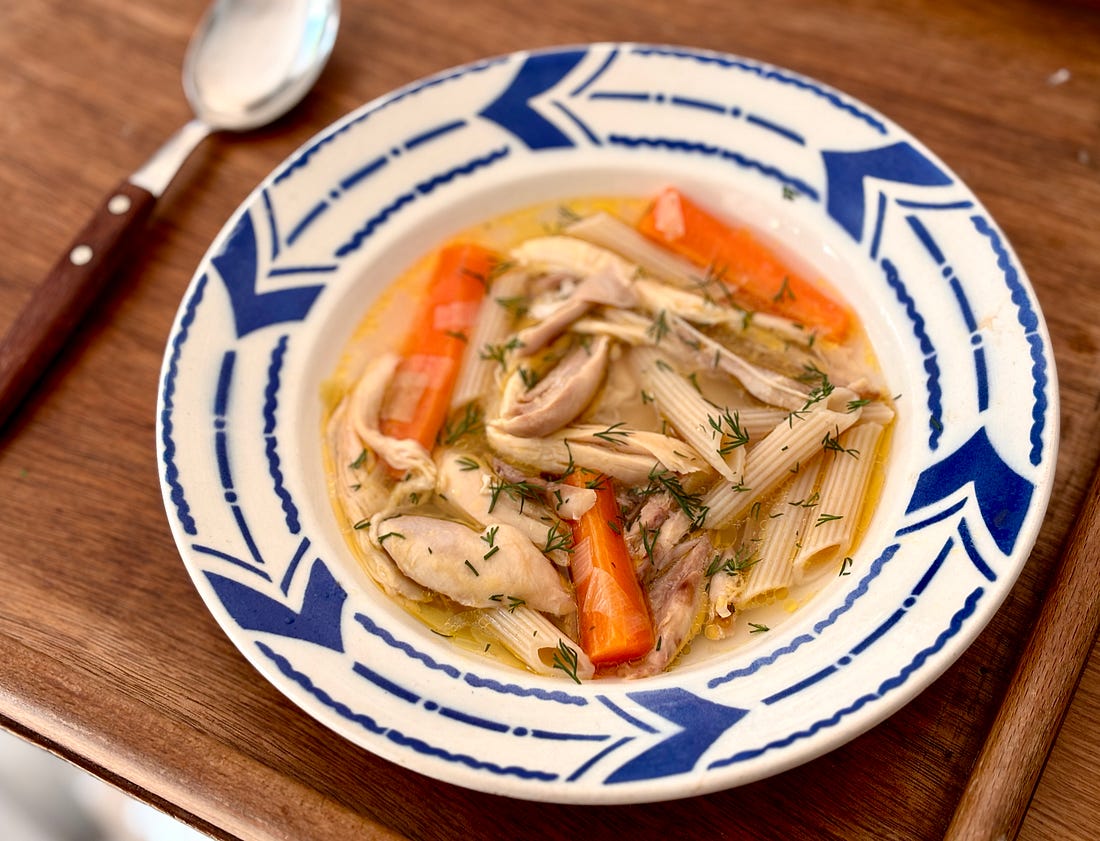
Armed with my shopping list, after Romain came back from the store, I placed the free-range chicken in a pot. I added enough cold water so it covered about three-quarters of the chicken, then added some salt as well as a chopped leek and three carrots cut into thick batons. Fortunately we have a garden so I grabbed a few sprigs of thyme and tied them in a bundle to add to the pot, as well as two bay leaves. Garlic is used very discreetly in French cuisine; with the exception of aïoli, which technically is Provençal - and some in Provence may argue that that’s not French cooking, that it’s Provençal. (Once again, I’m not looking for a fight. I’m just being diplomatic.) Few, if any, poule au pot recipes in French call for ail — doing an online search, the only ail I found in poule au pot recipes was in the word volaille, which means chicken. I added four minced cloves of garlic, which the authenticity police may not approve of, and even Claude AI was baffled by the request. And into the pot that went, as the health benefits of garlic outweigh any cultural conflicts. Everything was simmered over very low heat with the lid ajar for about 90 minutes, until the chicken was very tender. About halfway through the cooking, I used tongs to pull the thighs away from the breasts to help the broth get more infused with flavor. (That may not be scientifically provable but I have a feeling that it does.) Once the chicken was cooked, I fished the pieces out with tongs and put them in a bowl to cool. When cool enough to handle, I shredded the meat and put it back in the pot. And that’s it. If you want to add rice or noodles****, as I did, it’s best to cook them separately and add them to individual servings right before serving, or they’ll get soggy. Fresh dill is an add-on that’s no common in France, but Romain likes it (as do I), and picked some up at the store. It adds a nice flavor to the soothing soup.
*Many restrooms in France, such as those in restaurants and cafés, have a cotton towel on a hook for people to dry their hands on after washing them. That may save paper, but to me, seems to defeat the purpose of washing your hands. Although perhaps the feeling is that is everybody is washing their hands, before drying them on the towel, the towel isn’t harboring any germs or viruses. **You’ll find recipes for soupe de poulet and soupe au poulet, that are basically variations on poule au pot, which further complicates things — especially the two different prepositions for the same soup. As mentioned, French is hard…even for the French. ***Sorry about any typos. ***Like Manischewitz matzoh meal, Goodman’s egg noodles haven’t made it to France yet. But egg noodles (pâtes aux œufs) are the best with this dish. You're currently a free subscriber to David Lebovitz Newsletter. For the full experience, upgrade your subscription.
|
Monday, February 16, 2026
Poule au pot








Subscribe to:
Post Comments (Atom)
No comments:
Post a Comment