
 Good Sunday evening. I am writing to you from day three (or is it 29? time has no meaning!) of a citywide snow emergency. If you too are snowed in this weekend I have the perfect thing for you to curl up with and read this evening, with recipes to nourish both body and spirit. This is our story honoring Black History Month, a package shepherded by Nicole Rufus and guest edited by Danielle and Gabrielle Davenport, the owners of BEM | books & more, a Brooklyn bookstore at the intersection of food and Blackness. The Davenport sisters shared a reflection and history lesson on the longstanding significance and legacy of plant-based eating in the African diaspora. I'm handing the rest of this space over to them today as I'd love for you to read it and bookmark the recipes too — three simple, nourishing, and mindful dishes that are exactly what I would like to cook and eat on this cold weekend.
* * *
As co-founders of BEM | books & more, a bookstore devoted to food literature of the African diaspora across genres, we've set about the delicious work of celebrating Black food cultures in all their diversity. Black chefs, authors, thinkers, and makers continue to complicate, honor, and expand our collective vision of Black food, creating "bridge[s] from our ties to traditions in the Motherland to our wildest dreams that will manifest in the future," as vegan chef and food activist Bryant Terry writes in his introduction to Black Food, a culinary anthology with recipes that reflect the African diaspora and its legacy.
Legacy is a powerful word, connecting disparate lives across eras. When we began working on this celebration of plant-based eating within Black communities, we thought about the legacies we receive and those that we create. Plant-based eating is an important part of our diasporic culinary heritage — ingredients, preparations, flavors, and techniques bond and distinguish us through time and place. We're writing as Black Americans, as Brooklynites blessed with easy access to a wealth of diasporic delicacies. Our food, as a matter of legacy and daily choice, reflects West African ancestral roots through imprints of American enslavement, the Great Migration north- and westward from the southern United States, and subsequent waves of immigration from Africa and the Caribbean. But ours are just two experiences among many. Black food in the U.S. today is rich, diverse, and importantly — although of course not exclusively — vegetal.
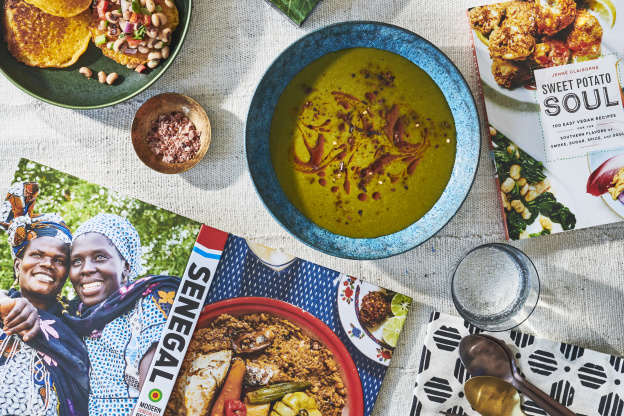
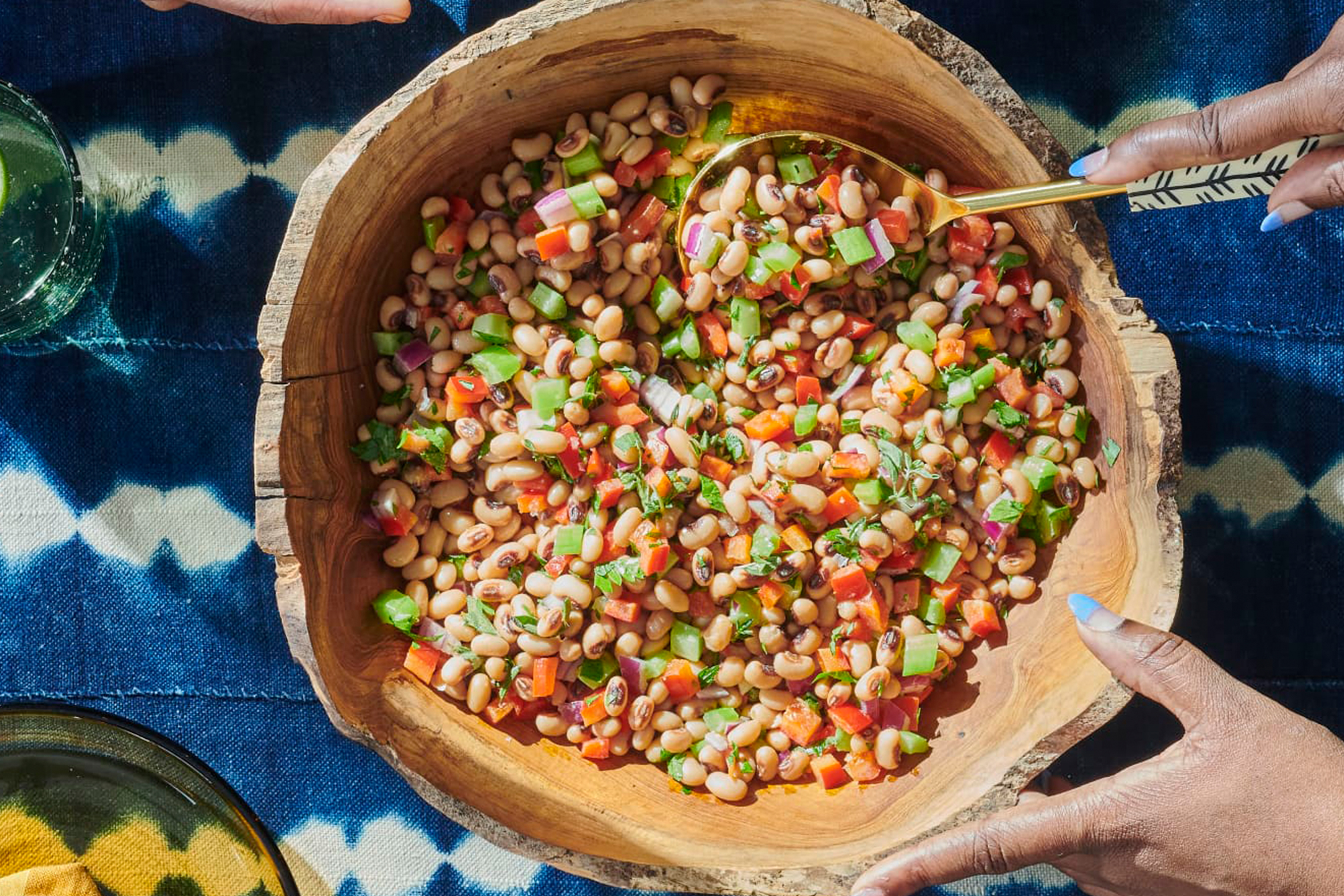
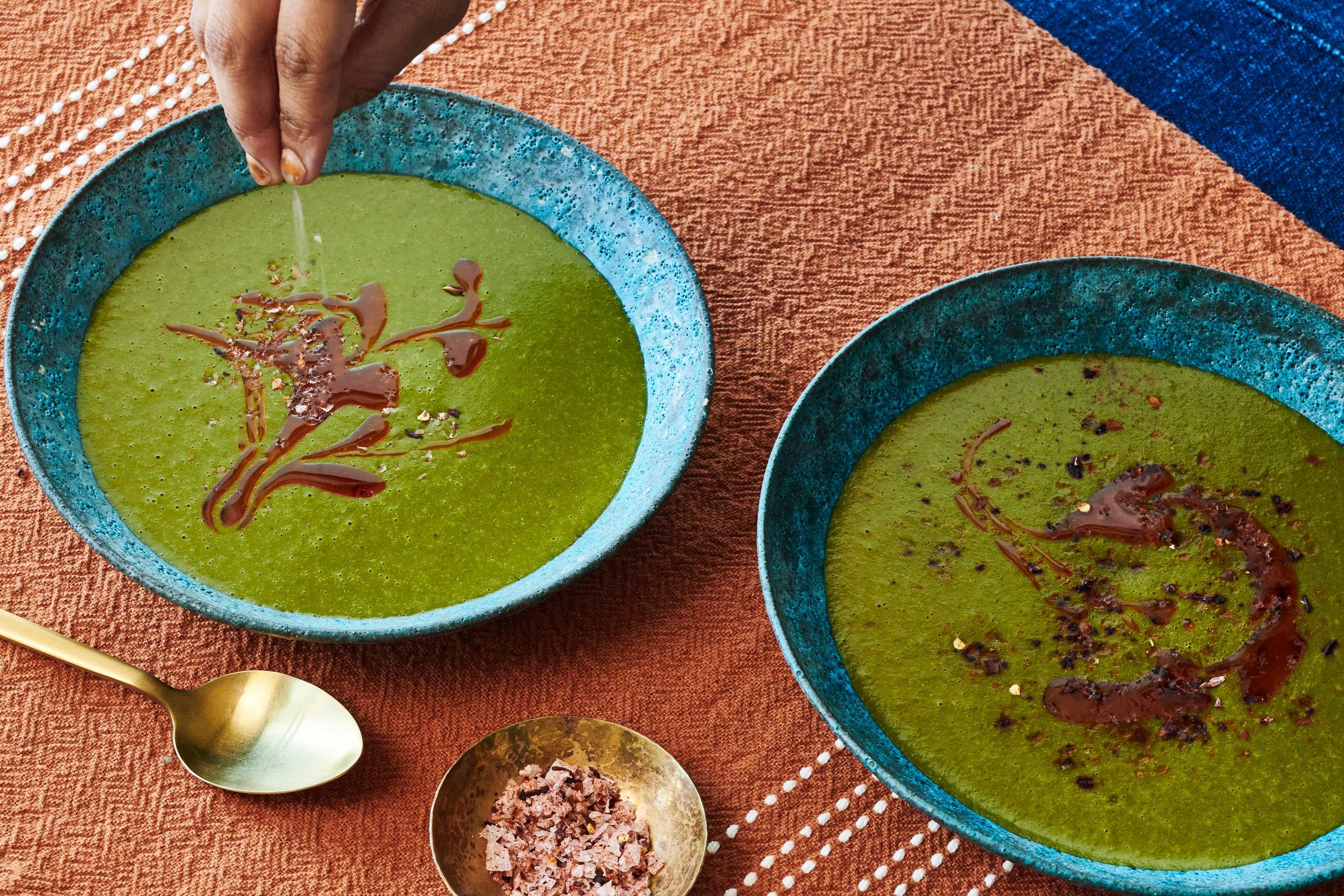
With plant-based legacies on our minds, we scanned our shelves and flipped through cookbooks. As one dish and then another called out to us, we homed in on a trio that represented a range of contexts, ingredients, techniques, and more: Hoecakes from Todd Richards' Soul, Moringa and Kale Supergreens Soup from Pierre Thiam's Senegal, and Harlem Caviar: Black Eyed Pea Salad from Jenné Claiborne's Sweet Potato Soul. These three recipes bring delicious flavor and nourishment, while telling a story of legacy through vegetable fare.
You'll find chef Todd Richards' Hoecakes in the Corn chapter of Soul, where he explains how this crop originated in the Americas, was cultivated throughout the African continent as far back as the 1500s, and has played a central role in the cuisine of the southern United States. Richards folds popcorn into the hoecake batter for lightness and crunch and then adds cayenne for a hint of heat. He recommends serving them with butter and syrup for a sweet breakfast, or if you want to go savory, use the hoecakes as a base for canapés and serve with a glass of Chardonnay or Shiraz.
Soul is full of recipes that make plain how culture persists and the creative ways things shift as culinary history unfolds. Hoecakes got their name from their original cooking method. Enslaved Africans and African Americans deprived of proper cooking utensils for their own use repurposed agricultural tools, spreading batter onto the thin metal blade of the hoe to cook the cakes over smoldering embers. This is but one example of the legacy of ingenuity and resourcefulness that's so central to Black foodways worldwide.
 FOLLOW FAITH
CELEBRATING BLACK HISTORY MONTH Follow Us
Unsubscribe or Manage Your Preferences
View this email in your browser
To ensure delivery to your inbox please add newsletters@mail.apartmenttherapy.com to your address book.
Kitchn is a source of inspiration for a happier, healthier life in your kitchen. If we've inspired you, we may receive a share of purchases made through this email. |
Sunday, February 6, 2022
Power, Autonomy, and Richness: The Legacy of Plant-Based Eating in the African Diaspora





Subscribe to:
Post Comments (Atom)
No comments:
Post a Comment